Dental Care
Receive expert care for traumatic dental injuries. Our team is dedicated to restoring your smile and ensuring your oral health.
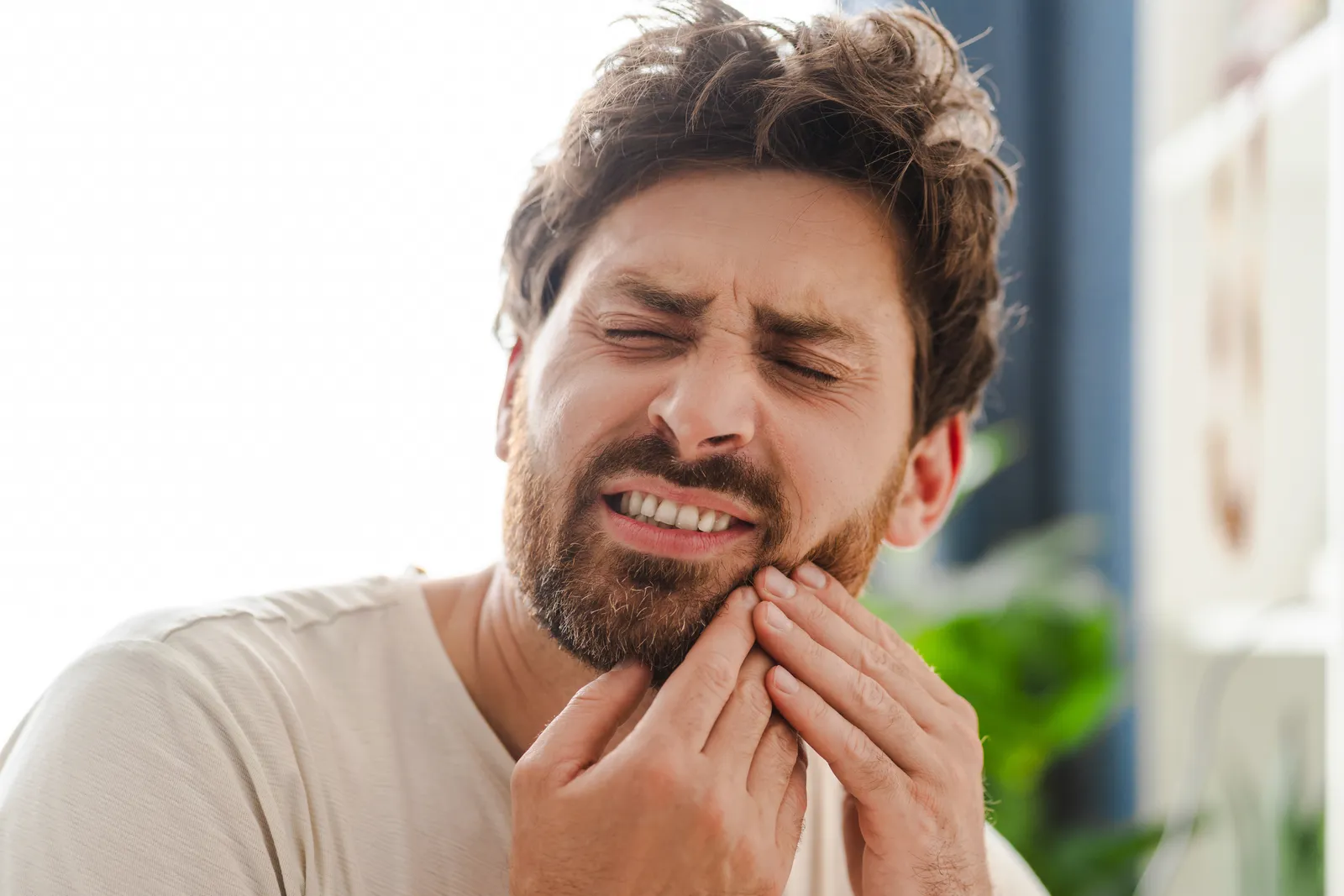
A dental injury rarely announces itself ahead of time. A fall on the playground, a collision on the soccer field, a tumble off a bike, or simply biting down the wrong way can chip a tooth, loosen it from its socket, or knock it out entirely in a split second. The pain is immediate, the bleeding can be alarming, and the question of what to do next often feels overwhelming - especially when it happens to a child or involves a front tooth.
At Spring Lake Dental, we understand that traumatic injuries affect far more than the tooth itself. They interrupt eating, make speaking uncomfortable, and can shake a patient's confidence in their smile long after the physical wound has healed. A cracked front tooth or a visibly damaged smile can also bring real emotional stress, particularly for school-age children and teens who are suddenly self-conscious about how they look and sound.
Our clinical approach to dental trauma centers on speed, precision, and long-term thinking. We prioritize same-day evaluation whenever possible, because many traumatic injuries - particularly a knocked-out tooth - have a narrow window where fast intervention dramatically improves the odds of saving the natural tooth. From there, we use detailed imaging and a careful clinical exam to understand exactly what structures were affected, so the treatment plan addresses both the visible damage and anything happening beneath the surface, including the tooth's nerve, root, and surrounding bone.
Not every bump to the mouth requires an emergency visit, but many do - and the difference often isn't obvious to someone outside a dental office. Trauma can affect the tooth, the surrounding soft tissue, the supporting bone, or the jaw joint itself, and each of these presents its own warning signs. If you notice any of the following after an accident, sports collision, or fall, it's worth having the area examined promptly.
Because dental trauma can hide its full extent beneath the gumline or inside the tooth itself, a thorough professional evaluation is the only reliable way to rule out deeper damage. Waiting it out often allows a small issue, like a hairline crack, to progress into an infection, nerve death, or tooth loss that could have been prevented with early care.
Traumatic injuries can happen to anyone, at almost any age, and understanding the most frequent causes helps us tailor both treatment and prevention advice for you and your family. In many cases, more than one factor is at play - for example, an unguarded sport combined with a tooth that was already weakened by a prior filling.
Contact sports and even recreational activities like cycling or skateboarding account for a large share of the chipped, cracked, and knocked-out teeth we see. A properly fitted mouthguard reduces this risk significantly.
Trips, slips, and playground falls are the leading cause of dental trauma in young children, often affecting the front teeth where impact is concentrated.
The sudden force involved in a car or bicycle accident can fracture teeth, injure the jaw, and damage soft tissue, often alongside other injuries that need coordinated care.
Chewing ice, hard candy, popcorn kernels, or using teeth as tools to open packaging puts unexpected pressure on enamel and is a frequent cause of sudden fractures.
Jobs involving physical labor, machinery, or ladders carry an elevated risk of facial and dental injury, particularly when protective gear isn't worn consistently.
A direct blow to the mouth from any source can displace, fracture, or completely dislodge a tooth, often requiring urgent stabilization to prevent permanent loss.
Teeth that already have large fillings, root canal treatment, or extensive decay are more prone to fracturing under force that a healthy tooth could withstand easily.
Toddlers and young children are naturally more prone to falls as they learn to walk and climb, making early protective habits and quick access to emergency dental care essential.
Every traumatic injury is different, which is why we never use a one-size-fits-all approach. Here's what you can expect when you come to us after a dental accident, from the moment you walk through our doors to your full recovery.
When you call or arrive, our team quickly assesses the severity of the injury, controls bleeding if needed, and determines whether the tooth can be preserved or reinserted right away.
We take targeted digital X-rays to check the tooth root, surrounding bone, and jaw structure for fractures that aren't visible to the eye, giving us a complete picture before treatment begins.
Based on the findings, we outline the most conservative path forward - whether that's bonding, a splint, a crown, root canal therapy, or reimplantation - and walk you through each option clearly.
We prioritize comfort at every step, using local anesthesia where needed and working efficiently to repair, stabilize, or restore the injured tooth or surrounding tissue the same day whenever possible.
We schedule follow-up visits to confirm proper healing, check the tooth's nerve vitality over time, and catch any delayed complications early, well after the initial injury has resolved.
Proper treatment for a traumatic dental injury does more than patch up the visible damage. It addresses the underlying structure of the tooth and supporting tissue so you can move forward with confidence, not just a temporary fix.
Sealing exposed dentin, stabilizing a loose tooth, or treating an inflamed nerve removes the sharp, lingering discomfort that trauma causes, letting you eat and speak normally again.
Bonding, veneers, and custom crowns are color-matched to blend seamlessly with your surrounding teeth, so the repair looks like it was always part of your smile.
Whenever possible, we save the natural tooth rather than extracting it, because a preserved tooth root supports healthier jawbone and longer-term oral function.
Treating a crack or exposed nerve early prevents infection from spreading into the bone, which can otherwise lead to abscesses, bone loss, or the need for extraction later.
When a permanent tooth is knocked completely out of its socket, the clock starts immediately. The thin layer of living cells covering the tooth root - the periodontal ligament - begins to dry out and die within minutes of exposure to air. These cells are what allow a reimplanted tooth to reattach to the bone and function normally again, so every minute spent waiting reduces the odds of success.
If you can safely do so, the best first step is to gently rinse the tooth with water (never scrub it) and try reinserting it into the socket right away, holding it in place as you head to our office. If that isn't possible, keeping the tooth moist is the next priority: submerging it in milk or a saline solution, or tucking it inside the cheek, keeps those root surface cells alive far longer than letting it sit dry in a tissue or napkin.
Once you reach us, we clean the socket, reposition the tooth, and typically splint it to the neighboring teeth for one to two weeks while the ligament reattaches. Follow-up visits allow us to watch for nerve damage, which sometimes requires root canal treatment afterward even in a tooth that has successfully reattached. Acting quickly and calling us right away gives a knocked-out tooth its very best chance at a full recovery.
While accidents can't always be prevented, a few simple habits lower the risk of dental trauma and support healing after treatment. These tips are helpful guidance, not a substitute for a professional evaluation when an injury occurs.
A properly fitted mouthguard during contact sports is one of the most effective ways to prevent chipped or knocked-out teeth.
Skip ice, hard candy, and using your teeth to open packages, as these put sudden stress on enamel that can lead to fractures.
Always hold a displaced tooth by the crown, never the root, to protect the delicate ligament cells that help it reattach.
Store an avulsed tooth in milk, saliva, or saline on the way to our office rather than letting it dry out in a tissue.
Icing the outside of the face for 15-20 minutes helps control swelling and discomfort while you head in for evaluation.
Keeping our office number handy means you can reach us immediately when minutes make a real difference to treatment outcomes.
These habits reduce risk and support better outcomes, but they're never a substitute for prompt, professional care after an actual injury. If trauma occurs, please contact us right away rather than waiting to see if symptoms improve on their own.
"We know how frightening a dental injury can feel, especially for a child. Our goal is always to calm the moment, protect the tooth, and restore your smile with as little stress as possible."
Answers to the questions we hear most often about treating traumatic dental injuries at Spring Lake Dental.
BOOK YOUR VISIT
Join the FL 33881 families who trust Spring Lake Dental. New patients and emergencies are always welcome.
 1192 Havendale Blvd NW Winter Haven, FL 33881

 863 297 6555