Restorative Dentistry
Achieve a natural-looking, permanent solution for missing teeth with dental implants, enhancing your oral health and confidence.
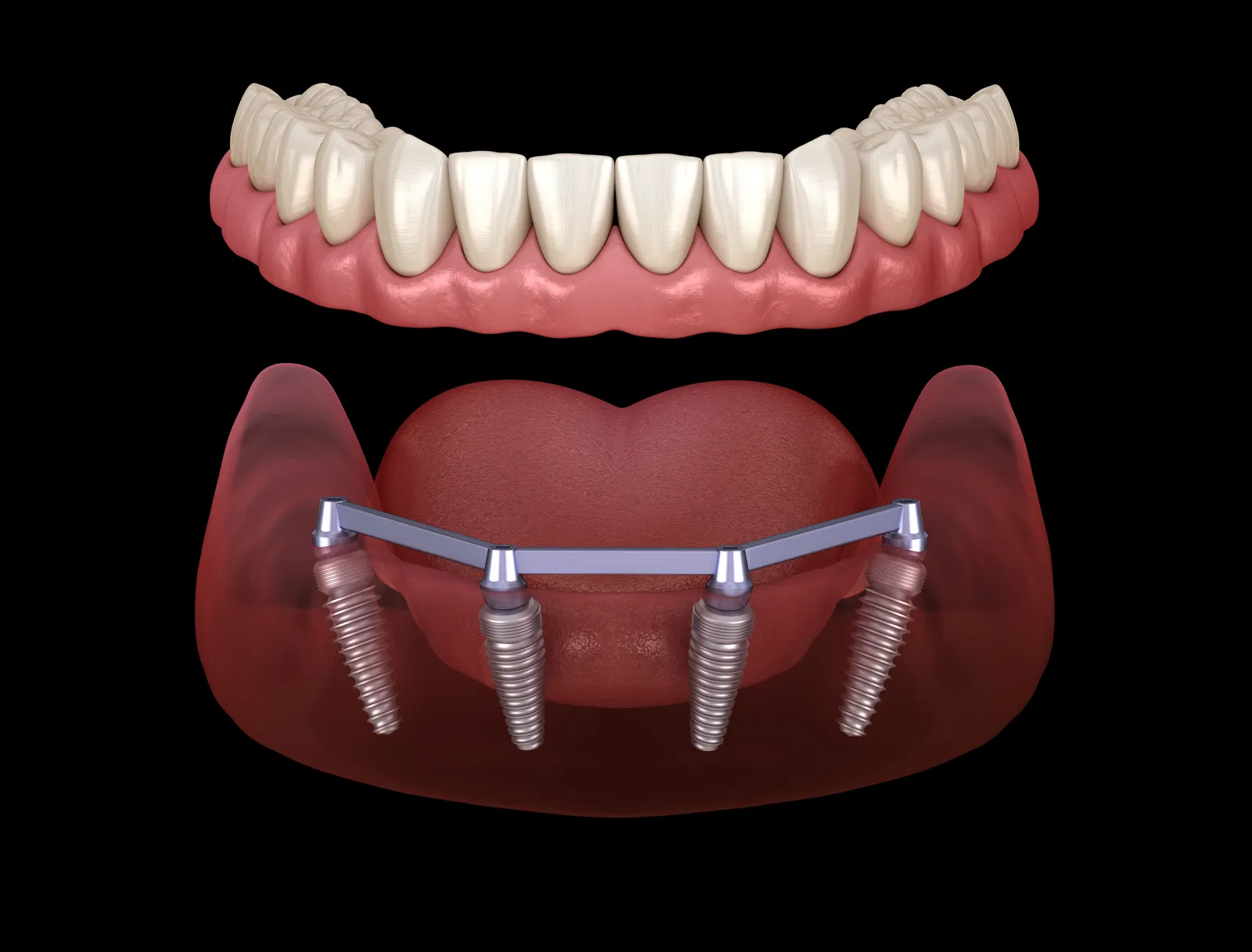
Losing a tooth changes more than your smile. It affects how you chew, how your jawbone holds its shape, and how confident you feel speaking or laughing in front of others. A gap left untreated can shift neighboring teeth out of position, strain your bite, and gradually reduce the bone density that once supported the missing tooth's root. Dental implants address the problem at its source by replacing both the root and the crown, rather than simply covering the gap.
At Spring Lake Dental, dental implants sit at the center of our restorative dentistry program because they restore function as reliably as they restore appearance. A titanium or zirconia post is placed directly into the jawbone, where it fuses with living bone tissue over several months in a process called osseointegration. Once integrated, that post becomes a stable anchor for a custom crown, bridge, or denture that is matched to the shade and shape of your natural teeth.
We know that considering implant treatment can feel like a big decision, so our approach starts with a thorough conversation about your oral health, your goals, and what day-to-day life will look like with a restored tooth. Every treatment plan is built around careful 3D imaging, a review of your bone quality, and an honest discussion of timeline and expectations before any procedure begins.
Not every missing tooth presents itself the same way. Some patients notice immediate changes, while others experience gradual shifts in comfort and bite alignment over months or years. The signs below are among the most common reasons patients come to us asking whether implants are right for them.
Many of these signs develop slowly, which is why a professional evaluation matters even if your symptoms seem minor. Catching bone loss or bite shifting early typically means a simpler, more predictable implant procedure later.
Tooth loss rarely has a single cause. Understanding what led to the missing tooth helps us plan a more durable, long-term implant solution rather than just filling a gap.
When decay reaches deep into a tooth's structure, repair options like fillings or crowns are no longer viable, and extraction followed by implant placement becomes the most reliable path forward.
Chronic gum infection weakens the bone and ligaments holding a tooth in place, which can lead to tooth loss. We treat active disease before implant placement to give the new restoration a healthy foundation.
A fall, sports injury, or accident can fracture or knock out a tooth instantly. Implants replace the lost root and crown so the surrounding bone and bite stay stable.
Some patients are simply born without one or more permanent teeth. Implants fill these gaps once jaw growth is complete, providing a lifelong, natural-feeling solution.
When a previously treated tooth becomes reinfected and retreatment is no longer practical, extraction and implant placement offer a definitive, long-term resolution.
Years of wearing removable dentures without implant support can accelerate bone loss in the jaw. Implants help preserve remaining bone volume and improve denture stability.
A crack that extends below the gum line or into the root usually cannot be restored with a crown alone, making extraction and implant replacement the more predictable option.
Decades of chewing, grinding, and prior dental work can accumulate into tooth loss over time. Implants provide a durable, low-maintenance replacement built to handle daily use.
Implant treatment happens in careful, deliberate stages. Each phase is planned around your bone health, healing pace, and the final look and function you want from your new tooth.
We start by listening. You'll tell us about the tooth you've lost, how it has affected your bite or confidence, and any concerns you have about the implant process itself.
Digital X-rays and 3D imaging let us measure available bone, map the location of nerves and sinuses, and confirm whether any preparatory procedures, like bone grafting, are needed first.
We map out the exact number of implants needed, the restoration type (single crown, bridge, or implant-supported denture), and a realistic timeline from placement through final restoration.
The implant post is placed into the jawbone under local anesthesia. Over the following months, it fuses with the surrounding bone through osseointegration, creating a stable foundation for your new tooth.
Once healed, we attach a custom-crafted crown, bridge, or denture matched to your natural teeth. We then schedule follow-up visits to confirm bite comfort and long-term stability.
Dental implants are designed to do more than fill a visible gap. The goal is lasting, functional stability that lets you eat, speak, and smile without thinking twice about your teeth.
Implants restore up to full biting force, letting you enjoy foods you may have avoided for years without worrying about shifting or discomfort.
Because the implant post replaces the natural tooth root, it stimulates the jawbone the same way a healthy tooth does, slowing the bone loss that follows tooth extraction.
Custom crowns are shaded and shaped to match your surrounding teeth, so the final result blends seamlessly into your smile.
Unlike traditional bridges, implants do not require grinding down adjacent healthy teeth, keeping more of your natural structure intact.
With proper care, dental implants routinely last 20 years or longer, making them one of the most durable tooth replacement options available.
Replacing gaps restores proper airflow and tongue placement, helping eliminate the subtle speech changes that often accompany missing teeth.
The long-term success of a dental implant depends heavily on the quality and volume of bone available to support it. When a tooth is lost, the jawbone in that area begins to resorb within months because it no longer receives the stimulation a natural tooth root provides. This is why patients who wait years before seeking replacement sometimes need additional bone grafting before an implant can be placed safely and securely.
During your evaluation, we assess bone density and height using 3D imaging to confirm the implant post will have enough support to integrate properly. In cases where bone volume has diminished, procedures like a bone graft or sinus lift can rebuild the foundation needed for a stable, long-lasting result. These additional steps add time to the overall process but significantly improve the odds of a successful, complication-free outcome.
This is also why we encourage patients not to delay treatment after a tooth is lost. The sooner an implant is placed, the more likely the existing bone can support it without extensive grafting, which generally means a faster, simpler path to your finished restoration.
A dental implant itself cannot decay, but the gum tissue and bone around it still need consistent care to stay healthy for the long run. These habits help protect your investment between checkups.
Use a soft-bristled brush around the implant crown and gumline to prevent plaque buildup that can lead to gum irritation.
Clean beneath and around the implant crown daily to remove food debris and bacteria that ordinary brushing can miss.
Ice, hard candy, and non-food items can crack the crown or strain the implant's connection to the jawbone.
Regular visits let us monitor the implant, surrounding gum tissue, and bite alignment before small issues become bigger ones.
If you grind or clench, a custom nightguard can protect the implant crown from excess pressure while you sleep.
Smoking slows healing and increases the risk of implant failure, both during integration and long after placement.
These habits go a long way toward protecting your implant, but they work best alongside regular professional cleanings and checkups rather than as a replacement for them.
"We treat every implant case as if it were for our own family. That means careful planning up front, honest answers to every question, and support at each stage of healing, so you feel confident the whole way through."
Here are the questions we hear most often from patients considering dental implants at Spring Lake Dental.
BOOK YOUR VISIT
Join the FL 33881 families who trust Spring Lake Dental. New patients and emergencies are always welcome.
 1192 Havendale Blvd NW Winter Haven, FL 33881

 863 297 6555