Restorative Dentistry
Strengthen, protect, and restore damaged teeth with custom-crafted crowns built for lasting comfort and a natural bite.
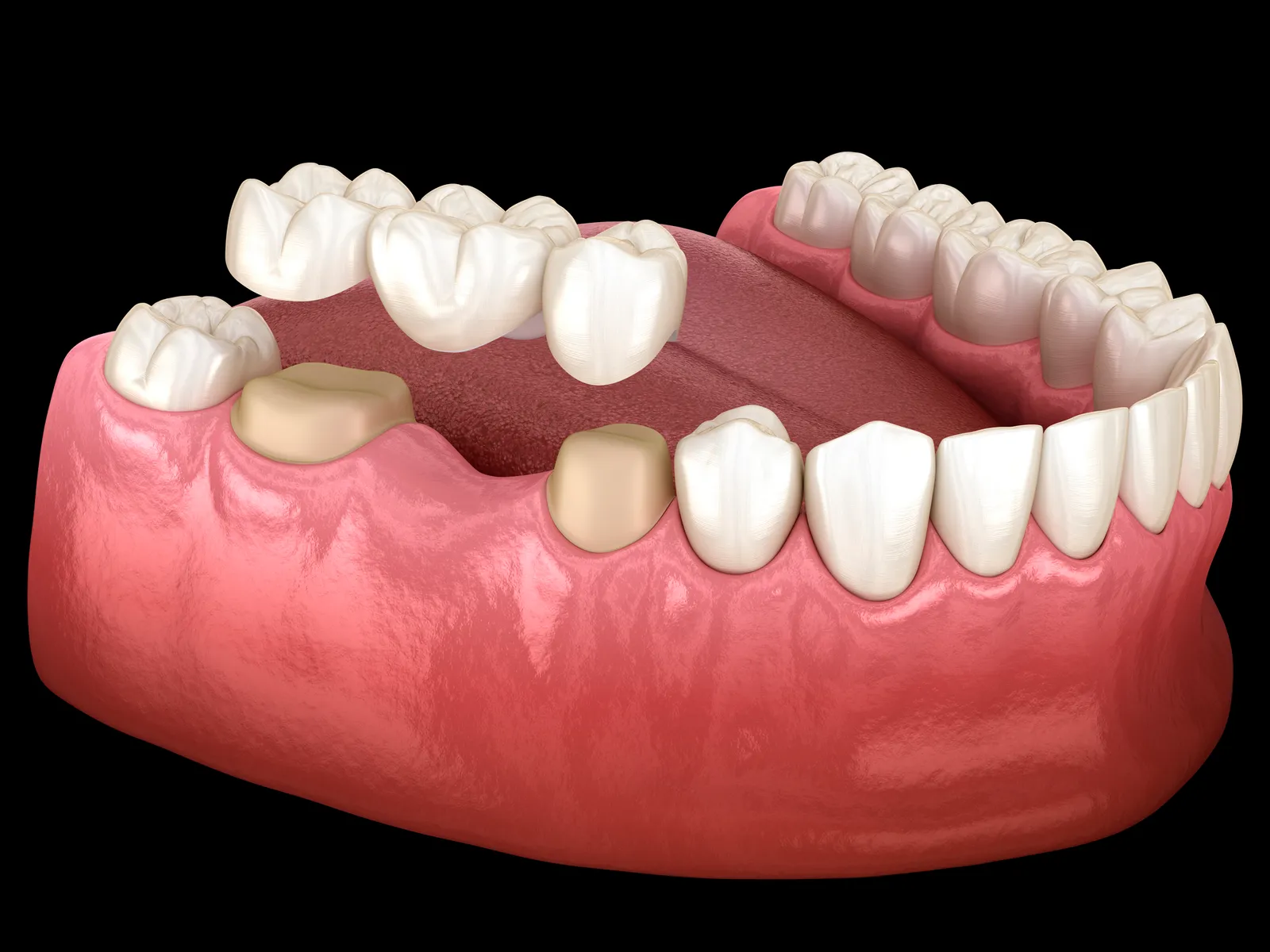
A tooth that has cracked, fractured, or lost a large portion of its structure to decay cannot simply be patched and left alone. Once the outer enamel is compromised, the remaining tooth is far more vulnerable to further breakage every time you bite down, chew, or even clench during sleep. A dental crown addresses this by covering the entire visible portion of the tooth above the gumline, acting as a protective shell that restores strength, shape, and function in one treatment.
Patients often come to us after noticing a tooth that feels sharp, sensitive to temperature, or uncomfortable while chewing on one side of the mouth. These sensations are frequently a sign that the tooth's structural integrity has weakened past the point where a simple filling will hold. Left untreated, small cracks can extend deeper into the tooth, sometimes reaching the nerve and leading to infection or the eventual loss of the tooth altogether.
At Spring Lake Dental, our approach to crowns is rooted in careful diagnosis first. We examine the tooth, review your bite, and determine exactly how much natural structure can be preserved before recommending a crown. As part of our broader restorative dentistry program, our goal is always to protect what remains of your natural tooth while rebuilding it into something strong enough to handle everyday use for years to come.
Damage to a tooth does not always announce itself clearly. Some patients notice obvious pain, while others only pick up on subtle changes in how a tooth feels or functions. The following signs are common reasons patients schedule an evaluation with our team.
Not every symptom means a crown is automatically necessary. A thorough clinical exam, including digital imaging when needed, lets us confirm the extent of damage and recommend the most conservative option that will still protect your tooth for the long term.
Tooth structure rarely fails from a single cause. Most patients we see have a combination of habits, history, and biology working together to weaken a tooth over time.
Cavities that go unaddressed spread through enamel into dentin, hollowing out the tooth from the inside until a simple filling is no longer enough to hold it together.
Nighttime clenching or grinding exerts repeated pressure far beyond normal chewing forces, gradually cracking enamel and flattening the biting surface.
A fall, sports impact, or biting down on something hard can fracture a tooth instantly, even one that was previously healthy and symptom-free.
A tooth that no longer has its internal blood supply becomes more brittle over time and is far more prone to cracking without a protective covering.
When a filling replaces most of a tooth's visible surface, the remaining enamel walls are thin and prone to snapping off under normal chewing pressure.
Decades of chewing gradually thin enamel, and older dental work can weaken, loosen, or fail, leaving the underlying tooth exposed to fracture risk.
Frequent exposure to acidic foods, beverages, or reflux softens enamel over time, making teeth more susceptible to chipping and structural breakdown.
Every crown we place follows a careful, methodical sequence designed to protect the tooth, fit comfortably, and blend naturally with your bite and smile.
We start by listening to your concerns and symptoms, reviewing your dental history, and discussing what has changed about how the tooth feels or functions.
Digital X-rays and a close clinical exam allow us to see the full extent of the crack or decay, including whether the nerve is involved or still healthy.
The damaged portions of the tooth are gently reshaped, and precise impressions or digital scans are taken to design a crown that fits your exact bite.
A temporary crown shields the tooth while your custom restoration is fabricated, and once ready, we check the fit, shade, and bite before permanently securing it.
We check in during your next cleaning visit to confirm the crown feels comfortable and continues fitting your bite properly, adjusting if anything feels off.
A well-placed crown accomplishes far more than covering a problem; it rebuilds how the tooth works day to day and helps prevent further breakdown.
You can bite down with confidence again, without worrying that the tooth will crack further or shift under normal pressure.
Crowns are shaded and shaped to match your surrounding teeth, so the restoration blends seamlessly into your smile.
By fully covering the tooth, a crown stops existing cracks from spreading and shields weakened enamel from additional stress.
With routine care, a quality crown can comfortably serve you for many years, reducing the likelihood of repeat dental work.
Covering exposed dentin or cracked areas often eliminates the sharp pain that comes with hot, cold, or sweet foods and drinks.
In many cases, a crown allows you to keep your own tooth root and structure rather than needing an extraction and replacement.
A crack in a tooth does not heal on its own the way a cut in skin does. Every time you chew, the two sides of the fracture flex independently, and that repeated motion slowly drives the crack deeper into the tooth. What starts as a hairline fracture confined to the enamel can, over months, extend down into the dentin and eventually reach the nerve chamber, turning a straightforward restoration into a more involved root canal or, in worst cases, an extraction.
Patients sometimes delay treatment because the discomfort comes and goes, or because the tooth only hurts occasionally when biting a certain way. That intermittent pain is actually a warning sign rather than a reassurance; it usually means the crack is positioned in a way that only triggers the nerve under specific pressure, and that pressure happens every single day during normal chewing.
Placing a crown early, while the tooth's internal nerve is still healthy, gives you the best chance of avoiding more complex and costly treatment later. We always explain exactly what we see in your specific case, including X-ray findings, so you can make an informed decision about timing rather than guessing based on how much something hurts on a given day.
A crown is durable, but a few simple daily habits will help it last as long as possible and protect the natural tooth structure underneath.
The edge where a crown meets your natural tooth is a common spot for new decay, so keeping that margin clean is essential.
Ice, pen caps, and hard candy put unnecessary stress on a crown and can chip or loosen it over time.
If you clench or grind at night, a custom nightguard protects both the crown and the surrounding natural teeth from wear.
Regular visits let us catch any shifting, wear, or margin issues early, before they become bigger problems.
Caramel, hard bread crusts, and similar foods can tug at a crown's edges or crack the restoration itself.
New discomfort around a crowned tooth should be checked promptly rather than monitored on your own.
These habits go a long way toward protecting your investment, but they are not a substitute for professional monitoring. Only a clinical exam can confirm the crown's fit and the health of the tooth beneath it.
"We never recommend a crown unless the tooth truly needs that level of protection. Our priority is always to explain what we see, walk you through the options, and help you choose the treatment that genuinely fits your situation."
Straightforward answers about what to expect before, during, and after getting a dental crown at Spring Lake Dental.
BOOK YOUR VISIT
Join the FL 33881 families who trust Spring Lake Dental. New patients and emergencies are always welcome.
 1192 Havendale Blvd NW Winter Haven, FL 33881

 863 297 6555