General Dentistry
A quick, painless exam built into your checkup that looks for early warning signs long before symptoms become serious.
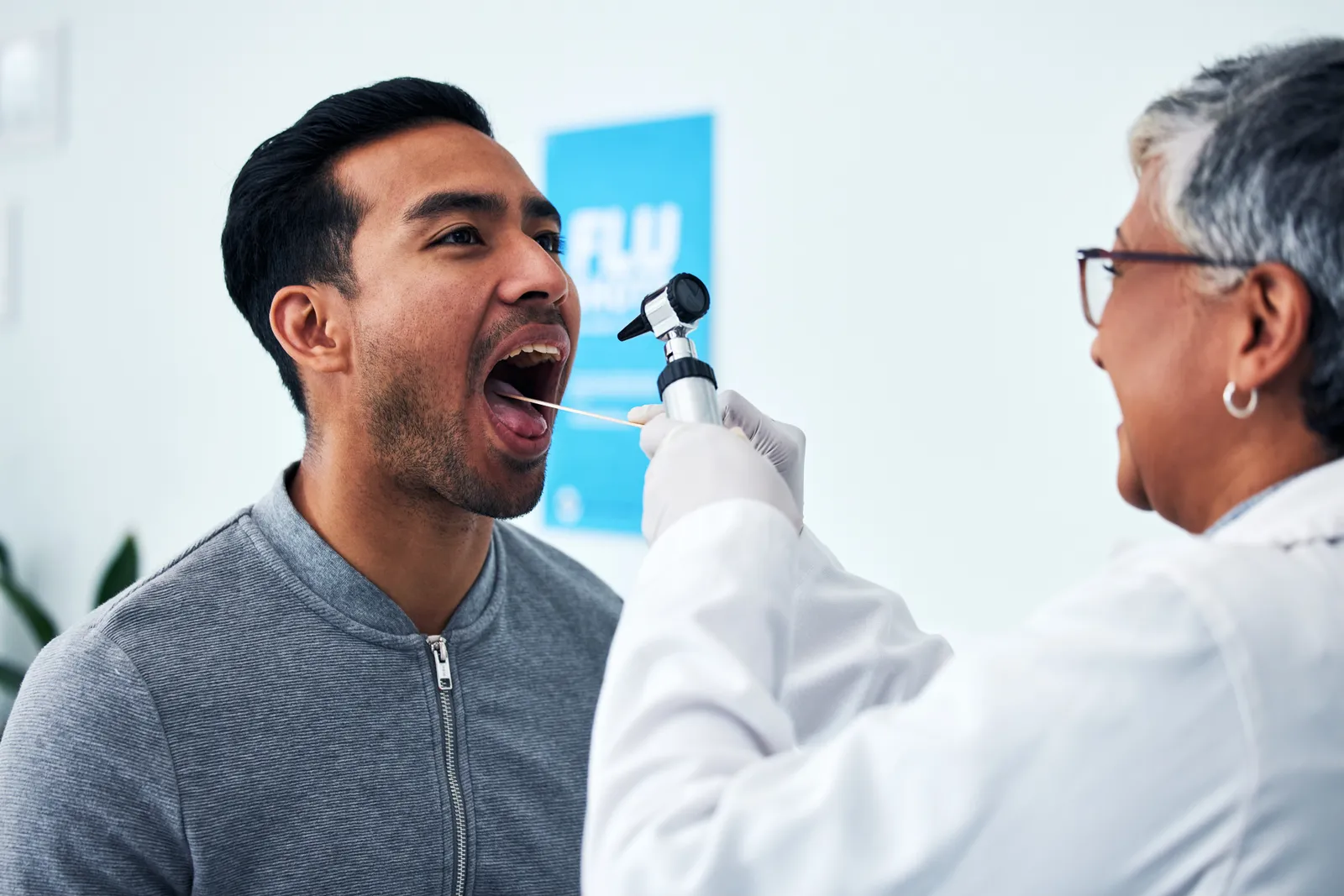
Oral cancer rarely announces itself. It often begins as a small patch, a sore that won't heal, or a subtle change in texture that most people never notice on their own - and by the time symptoms become obvious, the disease may have already progressed. That's exactly why we include a thorough oral cancer screening as a standard part of every routine checkup at Spring Lake Dental, as part of our broader general dentistry care.
During this screening, our team examines your lips, cheeks, gums, tongue, the floor and roof of your mouth, and the back of your throat for any unusual lumps, discoloration, or tissue changes. We also check your neck and jaw for swollen lymph nodes. The entire process takes just a few minutes, requires no needles or special preparation, and is completely painless - yet it can be the single most important few minutes of your dental visit.
We know a cancer-related conversation can feel intimidating, which is why we approach every screening with calm, clear communication. If we spot anything worth a closer look, we'll explain exactly what we see, why it matters, and what the next steps should be - without alarm, and without delay. Catching problems early, when they're smallest and most treatable, is the entire point of this visit.
Oral cancer can present differently from person to person, and many early warning signs are painless, which makes them easy to overlook. If you notice any of the following changes lasting more than two weeks, it's worth having them professionally evaluated rather than waiting to see if they resolve on their own.
Most of these signs turn out to be harmless, but there's no reliable way to tell the difference without an exam. A quick professional evaluation gives you a clear answer instead of weeks of guessing, and catches the rare serious case while it's still highly treatable.
Oral cancer develops when risk factors accumulate over time, and most people have more than one working against them at once. Understanding your personal risk profile helps us tailor how often and how closely we screen you.
Cigarettes, cigars, pipes, and smokeless tobacco expose oral tissues to carcinogens directly, making tobacco use the leading contributing factor in most diagnosed cases.
Frequent, heavy drinking irritates the soft tissue lining of the mouth and throat, and when combined with tobacco use the combined risk rises significantly beyond either factor alone.
Unprotected sun exposure over years of outdoor work or recreation can damage lip tissue, increasing the likelihood of lip cancer, particularly on the lower lip.
Certain strains of human papillomavirus are now recognized as a major cause of oropharyngeal cancers, even among patients with no history of tobacco or alcohol use.
Risk naturally increases after age 40, and a family history of oral or related head and neck cancers can further elevate your personal baseline risk level.
Diets low in fruits and vegetables have been linked to a higher incidence of oral cancers, likely due to reduced antioxidant and nutrient protection for soft tissues.
Patients managing conditions or medications that suppress immune function may have a reduced ability to fight off abnormal cell growth before it becomes problematic.
Ongoing friction from a poorly fitting denture, a sharp tooth edge, or repeated biting of the same spot can contribute to tissue changes over time if left uncorrected.
Every screening follows a consistent, methodical process so nothing gets overlooked. Here's exactly what to expect from the moment you sit in the chair to any necessary follow-up.
We start by asking about tobacco and alcohol use, family history, and any symptoms or changes you've noticed, since this context shapes how closely we examine certain areas.
Using a bright light and a mirror, we visually inspect your lips, cheeks, gums, tongue, and the roof and floor of your mouth, then gently palpate your neck and jaw to check for lumps or swelling.
If anything looks slightly irregular, we take a closer look and may use additional lighting or diagnostic aids to better understand the texture, color, and borders of the area in question.
We'll walk you through exactly what we observed in plain language. Most findings are benign, and we'll explain why - but if something needs monitoring, we'll say so clearly and calmly.
If a biopsy or specialist opinion is warranted, we'll coordinate a prompt referral and stay involved throughout the process, so you're never left managing it alone.
A screening is about far more than ruling out worst-case scenarios. It's a proactive habit that puts real time and real options back in your hands if something ever needs treatment.
Cancers caught at an early, localized stage generally respond to simpler, less invasive treatment and carry significantly higher survival rates than those found later.
Knowing your mouth has been thoroughly checked removes a source of background worry and lets you focus on the rest of your health and daily life.
Because the exam is built into your regular checkup, you get this protection without carving out additional time or paying for a separate visit.
Over repeated visits, we build a baseline understanding of your mouth's normal tissue, making it easier to spot anything new or changed right away.
Oral cancer typically progresses through stages, starting with small, localized abnormal cell changes that haven't spread to nearby tissue or lymph nodes. At this earliest stage, treatment is often limited to a minor surgical procedure with a strong chance of full recovery. As the disease advances and spreads to the lymph nodes, neck, or beyond, treatment becomes more complex, often requiring surgery combined with radiation or chemotherapy, with outcomes that are considerably less favorable.
This is the core reason routine screening exists: it moves the moment of detection as far forward as possible. A trained eye can identify subtle tissue changes weeks or months before they would become noticeable or symptomatic to the patient. Many of the earliest warning signs - a faint white patch, a slightly rough area, a small area of tenderness - are painless and easy to miss during normal daily life, which is precisely why they're so often caught only during a professional exam.
We treat this screening with the same seriousness as any other critical diagnostic step in your care, because the stakes are genuinely high and the window for easy intervention can be narrow. A few minutes of careful observation at each visit is a small investment that can completely change the trajectory of treatment, should it ever be needed.
While nothing replaces a professional screening, a few consistent habits at home help reduce your overall risk and make it easier to notice changes early.
Use a mirror and good light to glance over your lips, gums, tongue, and cheeks once a month, noting anything that looks or feels different from last time.
Reducing or quitting tobacco use and moderating alcohol intake are two of the most impactful changes you can make to lower your personal risk.
Apply a lip balm with SPF protection during extended outdoor time, especially if you work or spend significant leisure time outside.
Fruits and vegetables rich in antioxidants support healthy tissue and have been associated with lower rates of oral tissue changes.
Maintaining regular six-month dental visits ensures a screening happens consistently, rather than only when something already feels wrong.
Don't wait for your next scheduled visit if you notice a sore, lump, or patch that doesn't resolve within two weeks - call us sooner.
These habits meaningfully reduce your risk and help you stay aware of your own mouth, but they're a complement to professional screening, not a substitute for it.
"We never want a patient to feel rushed through this part of their visit. A few careful minutes checking tissue health is something every patient deserves, every single time."
Answers to common questions about oral cancer screening at Spring Lake Dental.
BOOK YOUR VISIT
Join the FL 33881 families who trust Spring Lake Dental. New patients and emergencies are always welcome.
 1192 Havendale Blvd NW Winter Haven, FL 33881

 863 297 6555