General Dentistry
Simple, fast, and proven protection that reinforces your enamel and helps your whole family avoid costly decay down the road.
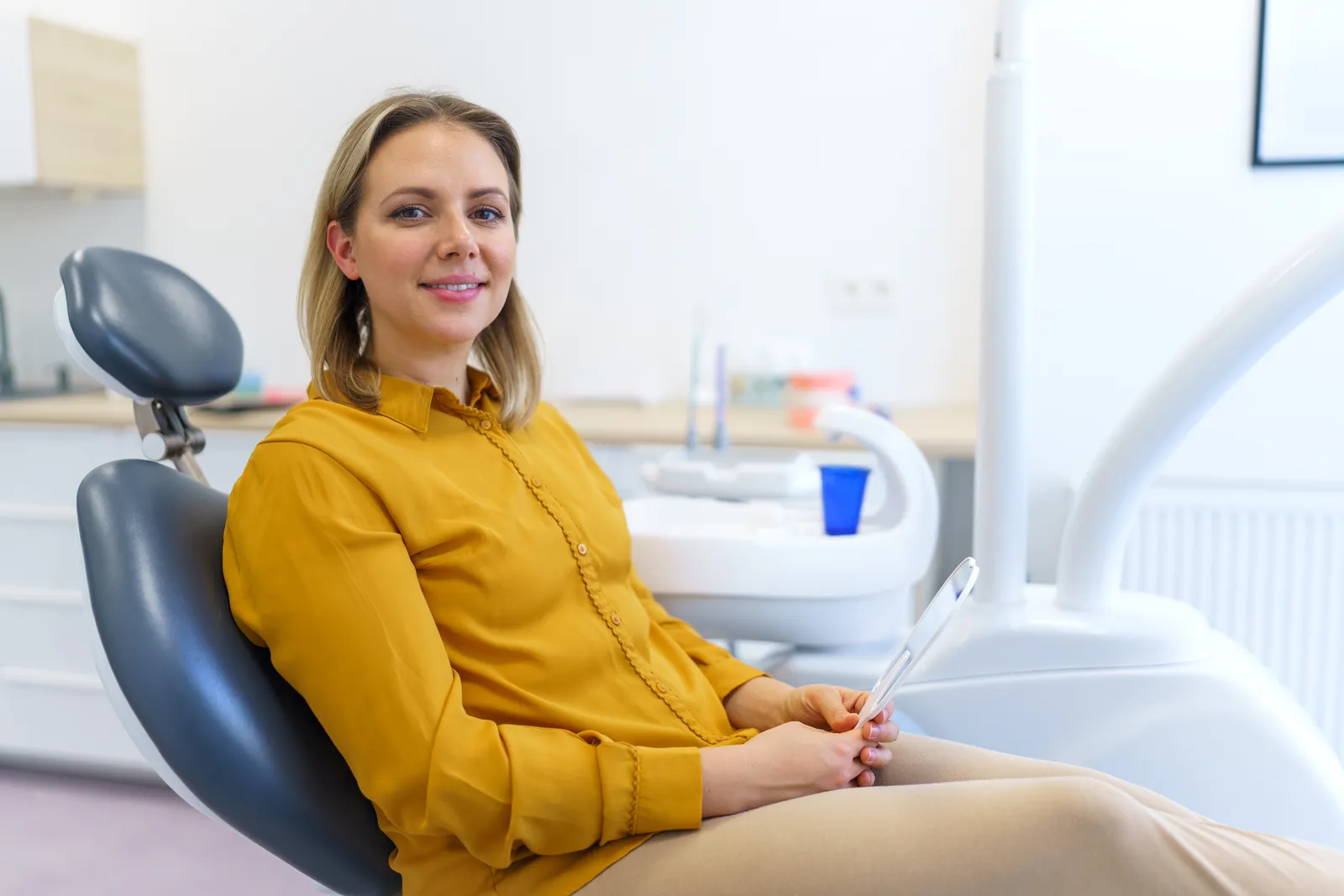
Tooth enamel is the hardest substance in the human body, but it isn't indestructible. Every day, the sugars and acids from food and drinks pull minerals out of enamel in a process called demineralization. Saliva and the minerals in your diet usually replace some of what's lost, but when that balance tips toward decay, the first signs are often invisible - a chalky white spot, a rough patch on a molar, or a twinge of sensitivity to cold water. Left unchecked, these early weak points become the cavities that bring patients into our General Dentistry chairs for fillings.
Fluoride treatment is one of the most effective, evidence-backed tools we have for stopping that process before it turns into a drill-and-fill situation. During a professional application, we deliver a concentrated dose of fluoride directly onto the tooth surface at a strength far beyond what toothpaste or tap water can provide. That fluoride gets absorbed into areas of weakened enamel, helping rebuild the mineral structure and making the tooth noticeably more resistant to future acid attacks.
At Spring Lake Dental, fluoride treatment is a routine part of our preventive dentistry program for children, teens, and adults who benefit from extra cavity protection. We pair it with your regular cleaning and exam visits so it fits naturally into your care schedule without adding stress, extra numbing, or downtime. It's quick, comfortable, and backed by decades of clinical research showing real reductions in cavity rates.
Fluoride treatment isn't only for Family friendly with new permanent teeth - plenty of adults have risk factors that make their enamel more vulnerable than they realize. During your exam, we'll look for patterns that suggest your teeth would benefit from the extra mineral support. Here are the signs we watch for most closely:
If any of this sounds familiar, it's worth mentioning at your next visit. A professional evaluation lets us catch demineralization while it's still reversible, rather than waiting until a cavity requires restorative work.
Cavity risk is rarely caused by a single habit. More often, several smaller factors stack together and overwhelm the mouth's natural ability to repair itself. Understanding the contributors helps us build a prevention plan that targets your specific situation.
Frequent snacking on sugary or acidic foods keeps oral bacteria producing acid throughout the day, giving enamel little time to recover between meals.
Saliva neutralizes acid and carries minerals back to the tooth surface. Medications, dehydration, or certain health conditions can significantly lower this natural defense.
Skipped brushing sessions or rushed two-minute routines allow plaque to harden and continue releasing acid against enamel overnight and between meals.
Some people are simply born with thinner or more porous enamel, which allows acid to penetrate faster and makes mineral support more important for them.
Brackets, wires, and retainers create tight spaces where plaque accumulates, raising decay risk right at the gumline and around the appliance hardware.
As gum tissue pulls back with age or periodontal wear, it exposes root surfaces that decay far more quickly than crown enamel because they lack the same mineral density.
Households relying on well water or unfiltered bottled water often miss the steady, low-dose fluoride exposure that public water systems normally provide.
Fluoride treatment at Spring Lake Dental is designed to fit seamlessly into your regular preventive visit. Here's exactly what happens, step by step, so there are no surprises when you sit down in the chair.
We start by reviewing your dental history, diet habits, and any sensitivity or recent cavities, then take a close look at your enamel to identify early demineralization.
Before fluoride is applied, we clean away plaque and surface debris so the mineral can reach enamel directly instead of being blocked by buildup.
We paint a concentrated fluoride varnish, gel, or foam onto each tooth surface. The application takes just a few minutes and involves no needles or discomfort.
The fluoride needs a short window to bond with enamel, so we'll let you know how long to wait before eating or drinking and what foods to avoid that day.
Based on your risk level, we'll recommend how often to repeat treatment, typically every six months alongside your regular cleaning and checkup visits.
Fluoride treatment isn't about masking a problem temporarily - it's about rebuilding the actual mineral structure of your teeth so they hold up better against everyday wear and tear.
Fluoride converts a portion of enamel's mineral structure into a form that resists acid breakdown far more effectively than untreated enamel.
White spot lesions and very early soft spots can actually remineralize and harden back up, sometimes avoiding the need for a filling entirely.
By sealing exposed dentin tubules, fluoride treatment often calms the sharp zing that comes from cold drinks, ice cream, or cool air.
Family friendly with newly erupted permanent molars benefit most, since these teeth are still maturing and are especially vulnerable in the first few years.
Adults with dry mouth, gum recession, or a history of frequent cavities gain meaningful extra protection that over-the-counter products can't match.
A few minutes of fluoride application is dramatically less expensive and less invasive than the fillings, crowns, or root canals needed once decay sets in.
Enamel is primarily made of a mineral called hydroxyapatite. Every time you eat or drink something sugary or acidic, bacteria in plaque produce acid that pulls calcium and phosphate ions out of this structure - a process called demineralization. Your saliva works constantly to push those minerals back in, but if acid exposure happens too often, the rebuilding process falls behind and the enamel becomes porous and weak.
When we apply professional-strength fluoride, it does more than coat the tooth. Fluoride ions get incorporated into the enamel's mineral lattice, converting vulnerable hydroxyapatite into fluorapatite - a crystal structure that is significantly more resistant to acid dissolution. This is the same chemical principle behind fluoridated water and fluoride toothpaste, just delivered at a much higher, clinically supervised concentration for a stronger, longer-lasting effect.
The practical result is a tooth that can withstand more acid exposure before it starts to break down again. For a child with newly erupted molars still forming their full mineral density, or an adult managing dry mouth or gum recession, this added resilience often means the difference between a healthy checkup and a new cavity diagnosis at the next visit.
Professional fluoride treatment works best when it's paired with consistent daily habits at home. These simple steps help extend the protective effect between your dental appointments.
Use a fluoride toothpaste twice daily and avoid rinsing immediately after brushing so the fluoride has time to stay on tooth surfaces.
Spacing out snacks and drinks reduces how many times a day your enamel faces an acid attack, giving it time to recover in between.
If your home uses well water or filtered water without fluoride, ask us about supplemental options to keep a steady low-dose exposure going.
Hold off on eating or drinking for the time period we recommend after your in-office application so the fluoride can fully bond to your enamel.
Routine visits every six months let us reapply fluoride on schedule and catch any new weak spots while they're still easy to manage.
If you're at higher risk for decay, we may recommend a prescription-strength fluoride rinse or gel to use between office visits.
These habits make a real difference, but they work alongside professional care, not instead of it. Regular checkups are still the best way to catch problems early.
"We treat fluoride application the same way we treat every preventive service here: quickly, gently, and with a clear explanation of why it matters for your specific smile. It's one of the easiest ways to help your teeth stay strong for years to come."
BOOK YOUR VISIT
Join the FL 33881 families who trust Spring Lake Dental. New patients and emergencies are always welcome.
 1192 Havendale Blvd NW Winter Haven, FL 33881

 863 297 6555