 1192 Havendale Blvd NW Winter Haven, FL 33881

 863 297 6555
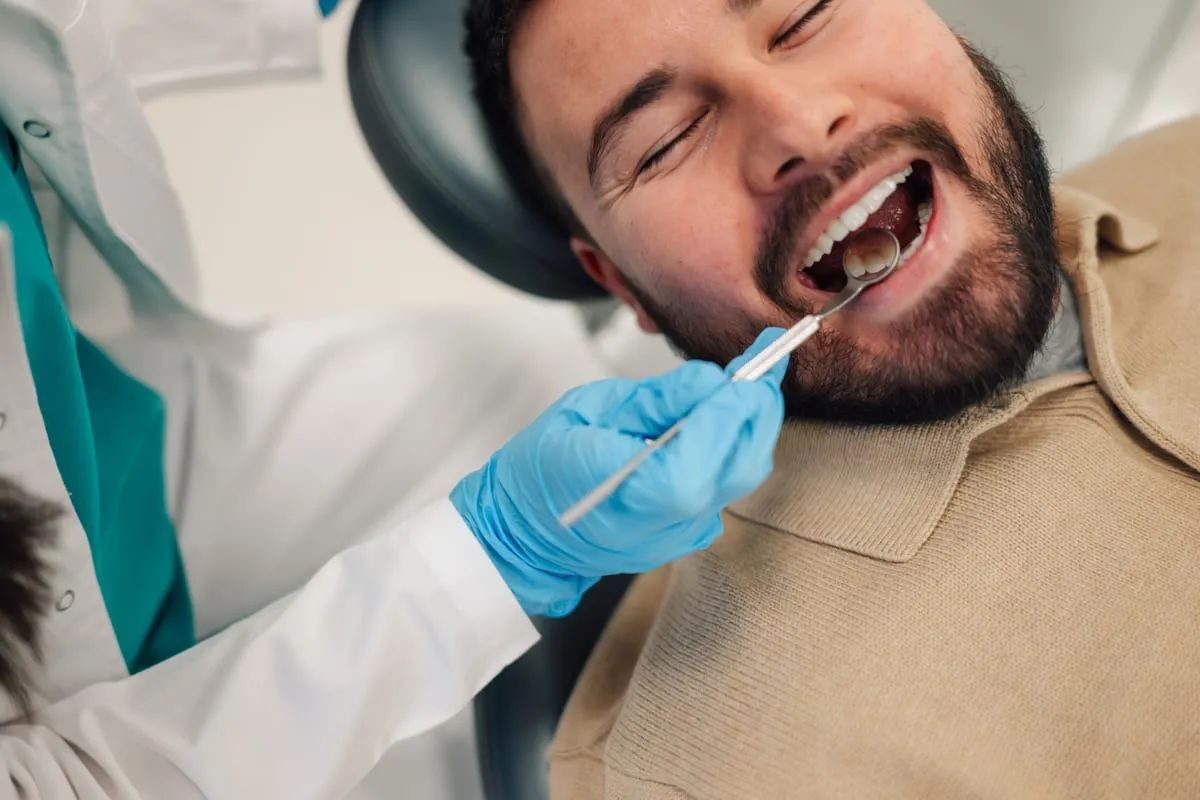
Most people think of the dentist as someone they visit only when something hurts. But the reality is that the majority of dental work happening every day isn't about fixing pain - it's about preventing it. That's the entire purpose of general dentistry: the ongoing, routine care that keeps teeth and gums healthy long before a problem ever has the chance to develop.
At Spring Lake Dental, general dentistry is the backbone of nearly every patient relationship we build. It's the twice-a-year cleaning, the bite-wing X-ray that catches a cavity while it's still small, the quick screening that spots early gum inflammation before it becomes a bigger issue. None of it is flashy, but it's the reason our patients keep their natural teeth longer, spend less on major dental work, and walk into checkups without dread.
This article breaks down what general dentistry actually includes, why it matters at every age, and how a consistent routine of preventive care pays off over the course of a lifetime. Whether you haven't been to the dentist in a while or you're simply curious about what happens at a typical visit, this guide will give you a clear picture of what to expect.
What General Dentistry Actually Covers
General dentistry is a broad term, and that's intentional. It covers the full range of preventive, diagnostic, and basic restorative care that most people need on a regular basis. Think of it as the primary care of the dental world - it's where nearly everyone starts, and it's often where most dental needs are fully addressed without ever requiring a specialist.
At its core, this includes dental cleanings and exams, digital X-rays, cavity detection, fillings, and basic gum health monitoring. It also includes diagnostic screenings designed to catch issues early, such as an oral cancer screening performed during a standard checkup. A general dentist is trained to look at the whole picture of your oral health, not just the tooth that happens to be bothering you that day.
What makes general dentistry so valuable is its consistency. Rather than reacting to problems after they've already caused pain or damage, it's built around a predictable schedule of care that catches small issues while they're still inexpensive and simple to treat.
Why Routine Checkups Make Such a Difference
A lot of patients assume that if nothing hurts, there's nothing wrong. Unfortunately, tooth decay and gum disease are often painless in their earliest stages. By the time you notice discomfort, the damage has frequently progressed to the point where treatment becomes more involved, more time-consuming, and more expensive. That's exactly why the twice-yearly visit recommendation exists.
During a routine checkup, your dentist is doing far more than polishing your teeth. They're measuring gum pocket depths to check for early periodontal disease, examining old fillings and crowns for wear, checking your bite alignment, and reviewing X-rays for decay happening between teeth that's invisible to the naked eye. This is also when a fluoride treatment might be recommended to strengthen enamel that's showing early signs of weakness.
Consistency is what makes this approach effective. A single visit gives us a snapshot, but a pattern of visits over time lets us track changes - a receding gum line, a shifting bite, enamel wearing thin in one specific spot - and address them before they become painful or costly.
Common Procedures You'll Encounter
General dentistry includes a handful of procedures that come up again and again, and understanding them ahead of time makes every visit feel more comfortable and predictable.
- Fillings: Used to restore teeth affected by decay, typically with tooth-colored composite material that blends naturally with your smile.
- Dental sealants: A thin protective coating applied to the chewing surfaces of molars, where decay most often begins - explore our dental sealants option for added protection against cavities.
- Periodontal care: Deeper cleanings and monitoring for patients showing early signs of gum disease, addressed through periodontal disease treatment before it progresses.
- Night guards and mouth guards: Custom-fitted appliances that protect teeth from grinding or from impact during sports, available as night guards or mouth guards depending on your needs.
- Digital X-rays: Low-radiation imaging that reveals decay, bone loss, and infection well before symptoms appear.
Signs You Shouldn't Wait for Your Next Appointment
While a biannual schedule is the standard recommendation, some symptoms warrant a sooner visit. Persistent sensitivity to hot or cold, a toothache that lingers for more than a day or two, bleeding gums that don't resolve with better brushing, or a cracked or chipped tooth are all reasons to call before your scheduled checkup arrives.
Bad breath that doesn't improve with brushing and flossing can also be a quiet signal of gum disease rather than just something you ate. Similarly, a sore or lump inside the mouth that hasn't healed within two weeks deserves a professional look, since this is exactly the kind of symptom an oral cancer screening is designed to evaluate.
The guiding principle is simple: pain and visible changes are your body's way of asking for attention sooner rather than later. Waiting it out rarely makes a dental issue resolve on its own, and early intervention is almost always simpler and less expensive than a delayed one.
General Dentistry for Every Age Group
One of the most practical aspects of general dentistry is how well it adapts across age groups. Children benefit enormously from early preventive habits, which is why kid-friendly dentistry focuses on making those first visits comfortable and low-stress, setting the tone for a lifetime of positive dental experiences rather than anxiety.
For households managing several sets of needs at once - young children, teenagers, and adults - family dentistry consolidates care so everyone can be seen efficiently, often on the same day, with a consistent provider who understands each family member's history.
As adults age, general dentistry shifts focus somewhat toward monitoring restorations, watching for the effects of medications on saliva production and gum health, and keeping an eye on bone density changes. The core approach stays the same at every stage, though: regular monitoring catches problems early, when they're still easy to manage.
Building a Home Care Routine That Supports Your Visits
General dentistry works best as a partnership. The care you receive in the chair is only half the equation - what happens at home between visits plays an equally large role in your long-term outcomes. Brushing twice daily with fluoride toothpaste, flossing once a day, and limiting sugary or acidic foods all reduce the workload your dentist faces at each appointment.
Small habits that compound over time
Replacing your toothbrush every three months, using an antimicrobial mouth rinse if recommended, and avoiding using your teeth as tools (to open packages, for example) all protect the investment you're making in your care. None of these habits are complicated, but consistency is what turns them into real protection against decay and gum disease.
If you've fallen out of a regular routine, know that it's never too late to restart. A thorough exam from our general dentistry team can assess where things stand and build a realistic plan to get your oral health back on track, without judgment about how long it's been.
Key Takeaways
- General dentistry covers routine exams, cleanings, fillings, and early screenings that prevent bigger problems.
- Biannual checkups catch decay and gum disease before symptoms appear, saving time and money long-term.
- Pain, bleeding gums, or persistent sores are signs to schedule a visit sooner rather than waiting.
- Preventive care adapts to every life stage, from a child's first visit to adult restoration monitoring.
- Consistent home care habits make professional treatment more effective and less frequent.
Frequently Asked Questions
How often should I schedule a general dentistry visit?
Most patients should plan on a checkup and cleaning every six months. If you have a history of gum disease, frequent cavities, or certain health conditions, your dentist may recommend more frequent visits to stay ahead of potential issues.
Does general dentistry include cosmetic treatments?
Generally, no. General dentistry focuses on preventive and restorative care, like cleanings, fillings, and screenings. Cosmetic treatments, such as whitening or veneers, fall under a separate category of care focused on appearance rather than function or disease prevention.
Is a general dentistry checkup painful?
A routine checkup is typically comfortable, involving a visual exam, X-rays, and a professional cleaning. Some patients feel mild sensitivity during cleaning if there's existing gum inflammation, but the process itself isn't designed to cause pain.
What happens if I skip checkups for a few years?
Skipping checkups allows small issues, like early decay or gum inflammation, to progress unnoticed. By the time symptoms appear, treatment is often more involved and costly. Returning for a thorough exam is still the right move, regardless of how long it's been.
Can general dentistry address teeth grinding?
Yes. A dentist can identify signs of grinding during a routine exam, such as worn enamel or jaw tenderness, and recommend a custom night guard to protect your teeth from further damage while you sleep.
Caring for Your Smile, One Visit at a Time
General dentistry isn't glamorous, but it's genuinely one of the most effective tools you have for protecting your health and your budget. The simple act of showing up twice a year, keeping up with basic home care, and addressing small concerns promptly prevents the vast majority of serious dental problems before they ever start.
Whether it's been six months or six years since your last visit, there's no better time to get back on track. A consistent relationship with your dental team means fewer surprises, less invasive treatment, and a smile that stays healthy for the long run.